


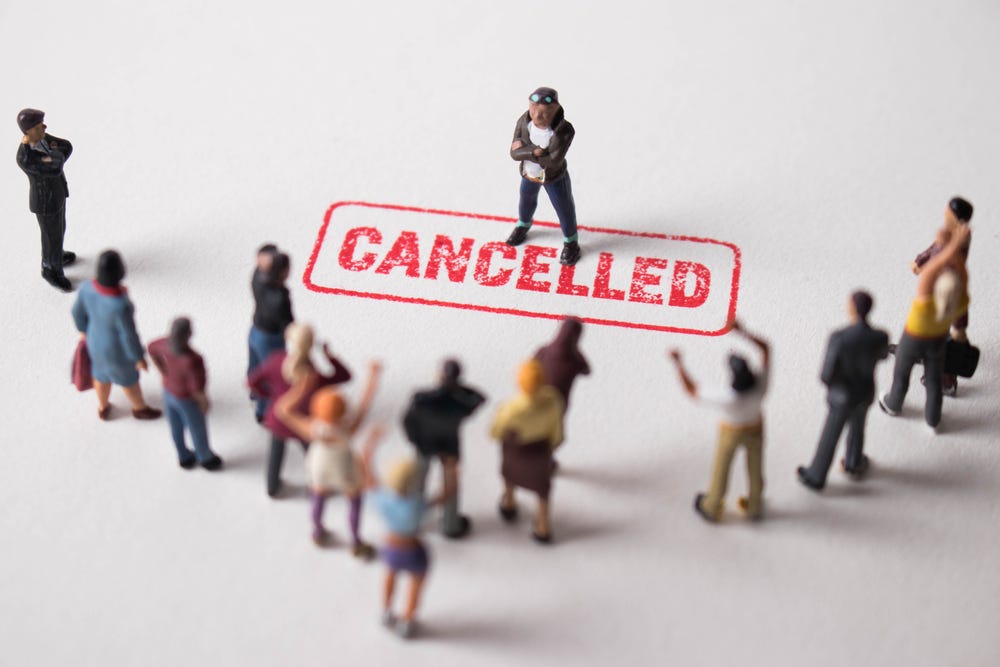
In today’s digital world, cancel culture isn’t just a buzzword—it’s a serious risk to the reputation of brands, influencers, and even student leaders.
Social media moves fast, and Gen Z expects more from the people and companies they follow. One mistake can quickly turn into a public crisis. But does being “canceled” mean it’s the end?
Not always. Public relations professionals know that how a brand responds in the first 24 hours to a crisis can make a difference. More importantly, PR plays a crucial role in reshaping the conversation from cancellation to accountability and even redemption.
Media training and public relations skills are essential during cancel culture because the way a spokesperson communicates in moments of backlash can either rebuild trust or make the situation worse.
Statements must strike the right balance between accountability and brand protection, ensuring that apologies are meaningful, not performative. That’s exactly where PR pros come in.
Click the button below to subscribe now for more updates!
Crisis Communication in the Age of Cancellation
Cancel culture functions as a form of public accountability, but for brands, it often arrives like a crisis: sudden, public, and emotionally charged.
The speed of online outrage means PR teams must work in real time to assess the situation, craft a message, and engage with the public without sounding defensive or dismissive.
That’s where strategic crisis communication becomes essential. It’s not just about cleaning up a mess, it’s about recognizing the harm, acknowledging responsibility, and beginning to rebuild trust.
Crisis plans today must include protocols for digital backlash, influencer missteps, viral misinformation, and most of all: how to actually say sorry. As a student, now is the time for college students to take communication classes so proper communication skills come in handy as soon as the time comes.
Saying Sorry Isn’t Enough: What Gen Z Wants from Apologies
Gen Z doesn’t accept the classic “we’re sorry if you were offended” approach. This generation values authenticity and expects apologies to come with action. A real apology means addressing what happened, naming who was harmed, and outlining steps for change.
Too often, PR statements rely on tired phrases:
“This does not reflect who we are.”
“We’re taking this very seriously.”
“We are committed to doing better.”
These statements may check the corporate box, but they rarely satisfy a public demanding transparency and sincerity. Gen Z can tell the difference between damage control and genuine accountability and they respond accordingly.
The PR of a Comeback
Despite the name, cancellation doesn’t have to be permanent. Some of the most high-profile figures who were “canceled” have slowly re-emerged with stronger messaging, revised brand identities, or meaningful behavior change. But these comebacks don’t happen by accident, they’re often guided by a long-term PR strategy.
Redemption in the public eye requires more than a rebrand. It takes consistency, humility, and letting actions—not just words—speak. For example, Logan Paul is a famous YouTuber who has experienced cancel culture when it first arose.
Posting a highly insensitive YouTube video in the Aokigahara forest in Japan, faced crucial backlash that led to a rebrand. Paul removed the video, issued apologies, took a break, then shifted to more mature content (including a popular podcast). He rebranded as a boxer and business co-founder of Prime energy drink.
From Cancel Culture to Accountability Culture
Here’s the truth: most people aren’t rooting for failure. What they really want is acknowledgment, growth, and accountability. That’s why many in the PR world have started shifting the conversation from cancel culture to accountability culture.
It’s a more productive, human-centered approach. It encourages brands to own their mistakes, listen to feedback, and make changes that align with their values and their audiences. For Gen Z in particular, accountability isn’t just expected, it’s respected.
Where PR Comes In
PR isn’t just about putting out fires anymore. It’s about fostering honest dialogue between brands and their communities. In the age of cancel culture, the role of public relations has never been more critical or more complex.
Today’s PR pros must be quick thinkers, strong listeners, and ethical storytellers. When done right, public relations doesn’t just salvage reputations, it helps build stronger, more self-aware brands. Because in the end, it’s not about avoiding cancellation.
It’s about showing up with clarity, integrity, and a willingness to grow. In an era where perception spreads faster than facts, strong communication skills aren’t just helpful, they’re a brand’s first line of defense.
 | A guest post by
|
Hi ! From today I ve subscribed to EINpresswire for increase visibility of my personal branding and for Criptovaluta.it , most popular crypto news media outlet in italy. :) I hope that EINpresswire can help me.